Dead Bug
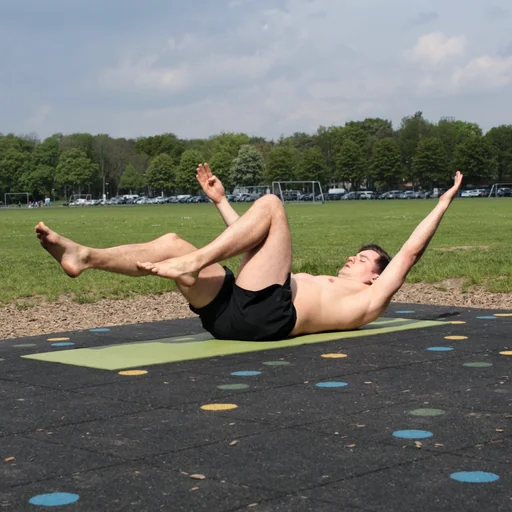
The Dead Bug exercise falls under the category of core exercises and aims to strengthen the abdominal muscles. It is particularly effective for improving stability and control throughout the entire body. During the exercise, the arms and legs are moved alternately. It is important to keep the lower back in contact with the floor to maintain tension in the abdominal muscles.
A similar exercise is the Bird-Dog, where you start in a quadruped position instead of lying on your back.
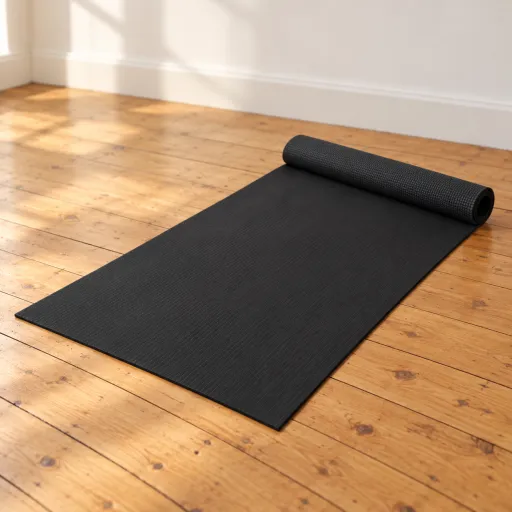
Necessary equipment
Dead Bug - the correct execution
- Start lying on your back
- Hold the extended arms in the air
- The legs are bent and the hips are bent 90 degrees
- Start to move one arm in the extension of the body
- Bring the other arm in the direction of the thighs
- At the same time stretch the leg on the side where you bring the arm to the thigh
- Return to the starting position and change sides
- Each side counts as one repetition
Which muscles are trained by Dead Bug?


Primary trained muscles for Dead Bug
Abs - The rectus abdominis, also known as the "abs," runs vertically along the front of the abdomen. It is responsible for bending the torso forward, such as during sit-ups, and lifting the pelvis. This muscle stabilizes the torso, supports the spine, and helps maintain good posture.
Build strength and muscle with a plan for your level.
Want to get stronger without putting every workout together yourself? The DIE RINGE app adapts exercises and progressions to your level and equipment. Open the app, start training and track your progress.
Train with DIE RINGEOver 1000 five-star reviews on App Store and Google Play.


Similar exercises to Dead Bug
Plank Leg Lifts
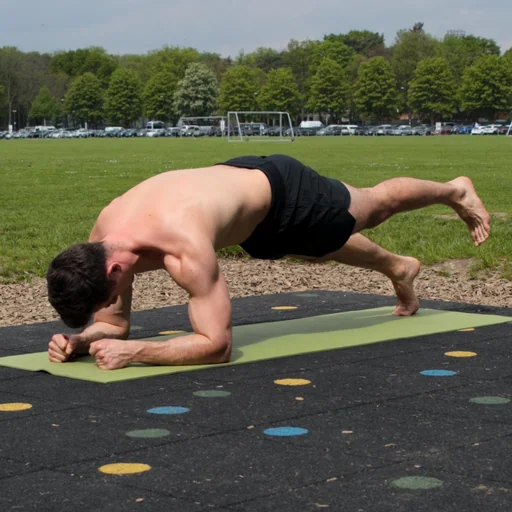
Plank leg lifts combine the core stability of the classic plank with a dynamic leg lift, which engages not only the abs and back muscles but also the glutes and leg muscles more intensively. By alternating leg lifts, balance is challenged, and the core is activated more deeply. Compared to the forearm plank, this variation involves the lower body more, making the exercise more challenging and versatile.
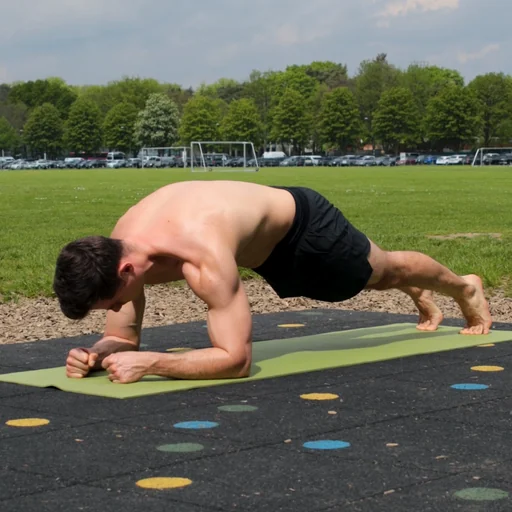
Plank
The plank is one of the most widespread exercises for the abdominal muscles. No equipment is needed, so it can be done anywhere. However, a common mistake is not tightening the glutes and allowing the body to sag. This means the abdominal muscles are not working, and instead, the passive musculoskeletal system, including the spine, bears the load. Read here to find out what you need to watch out for to perform it correctly.
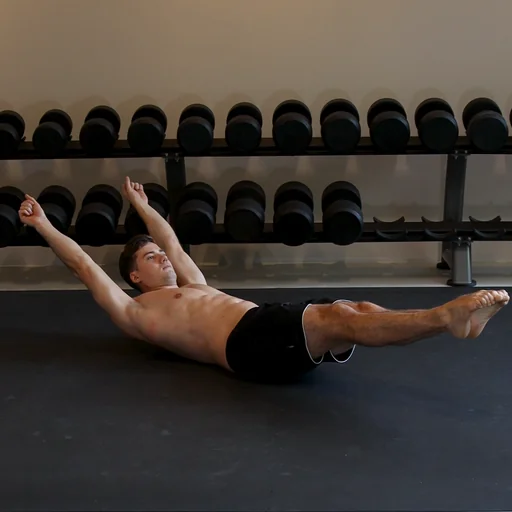
Hollow Body Hold
In the hollow body hold, you lie on your back and tense the entire body while pressing the lower back firmly into the floor. This static exercise primarily targets the abdominal muscles and is especially popular in gymnastics and calisthenics to improve core strength.
A similar exercise is the forearm plank, where the abdominal and core muscles are also strengthened through static holding work.