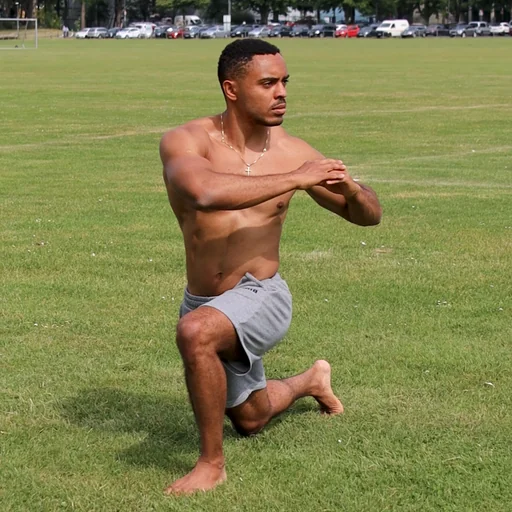
Lunge Rotation
The Lunge with Rotation combines the classic leg exercise with a torso twist, training not only the legs but also the abdominal muscles and spinal mobility. The main load is on the thighs and glutes, while the rotational movement specifically engages the core muscles. Compared to a regular lunge, this variation challenges stability more, as the added twist further tests balance.
Lunge Rotation - the correct execution
- Start in standing position
- Make a big lunge forward
- Front foot is evenly loaded
- Keep your upper body upright
- Rotate your upper body in the direction of the front leg
- Return to standing position
- Start with the other leg
Which muscles are trained by Lunge Rotation?


Primary trained muscles for Lunge Rotation
Adductors - The adductors are muscle groups in the thigh that help bring your legs together. They stabilize your pelvis while walking and standing and also assist in movements like crossing your legs.
Quadriceps - The quadriceps femoris is the large muscle at the front of your thigh. It extends your knee.
Secondary trained muscles for Lunge Rotation
Glutes - The gluteus maximus is the large muscle in your buttocks. It is important for extending the hip, moving your leg backward, and stabilizing the hip joint.
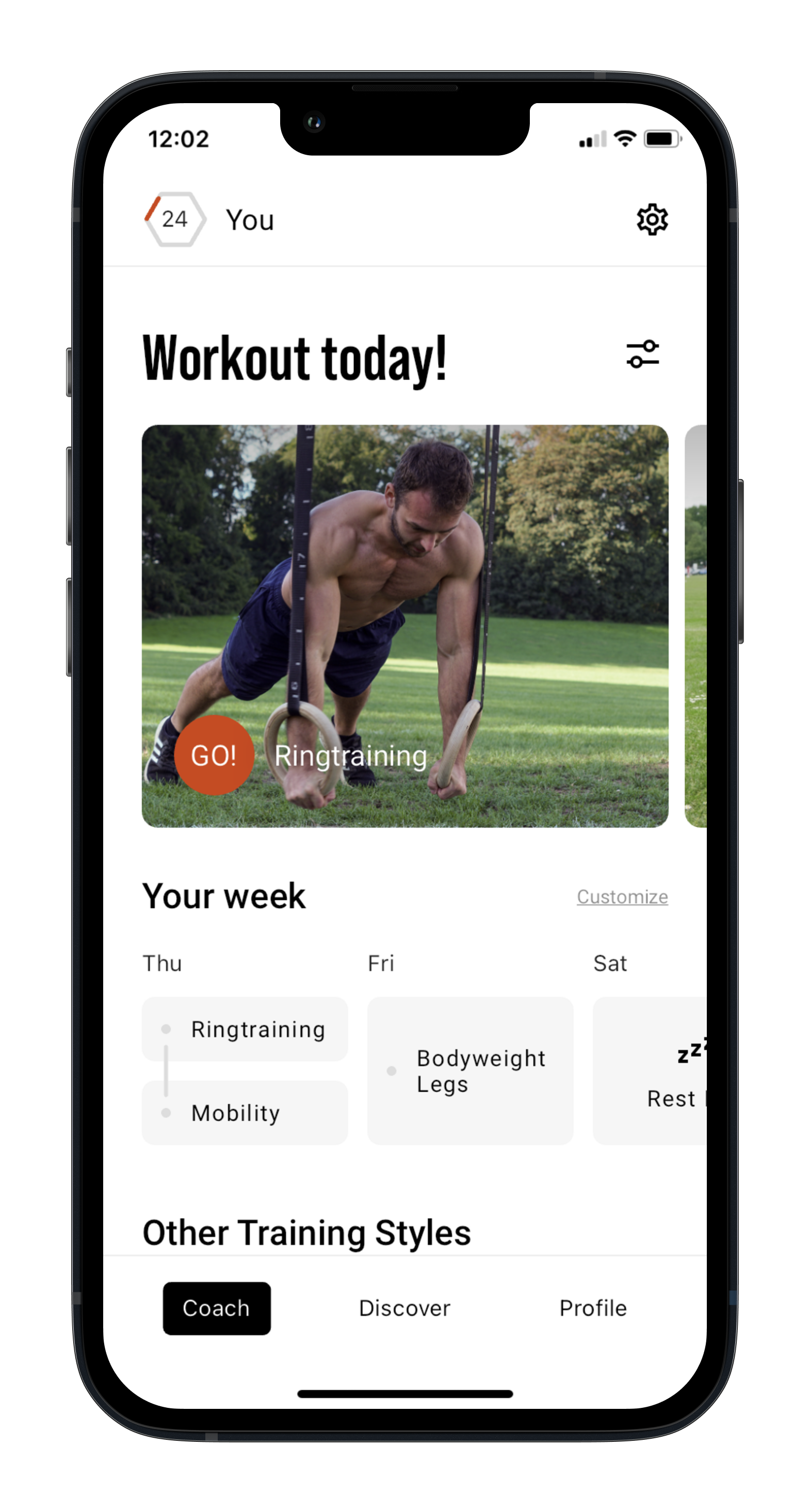
Calisthenics training, developed by sports scientists and optimized by smart algorithms, for your best workout.
Over 1000 five-star reviews on App Store and Google Play.


This could also be interesting
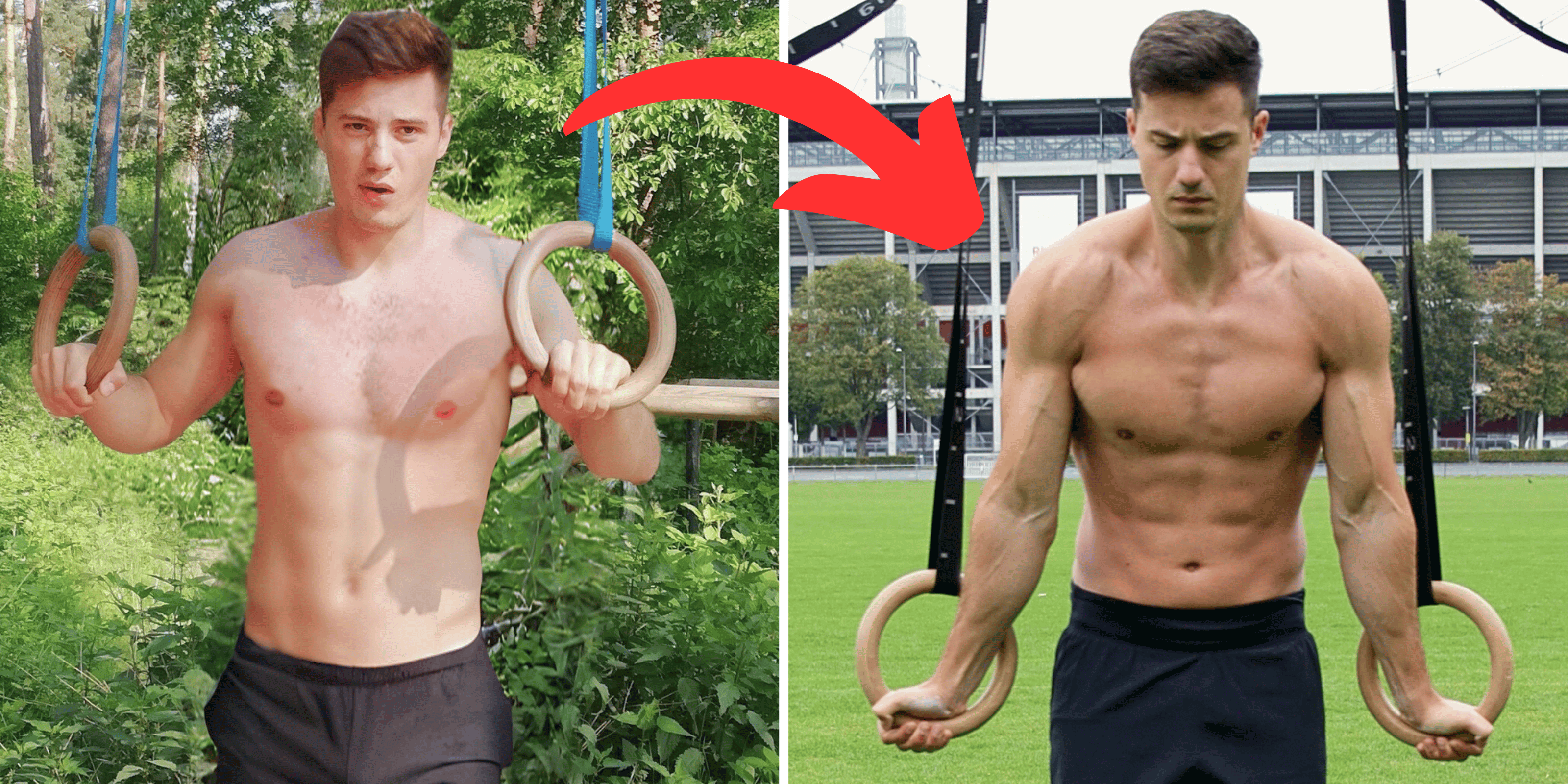
Calisthenics Body Transformation – How to Build a Strong, Lean, and Athletic Physique
Transform your body with Calisthenics! Build muscle, burn fat & achieve a shredded physique with bodyweight training. See real before & after results!
Complete Calisthenics Skills List – 40+ Exercises from Beginner to Pro
Which calisthenics skills should you learn first? And which ones will really help you progress? In this article, you’ll find a complete list of over 40 exercises – from the very basics to the toughest moves for professionals. Each exercise comes with instructions, so you can immediately integrate them into your training.